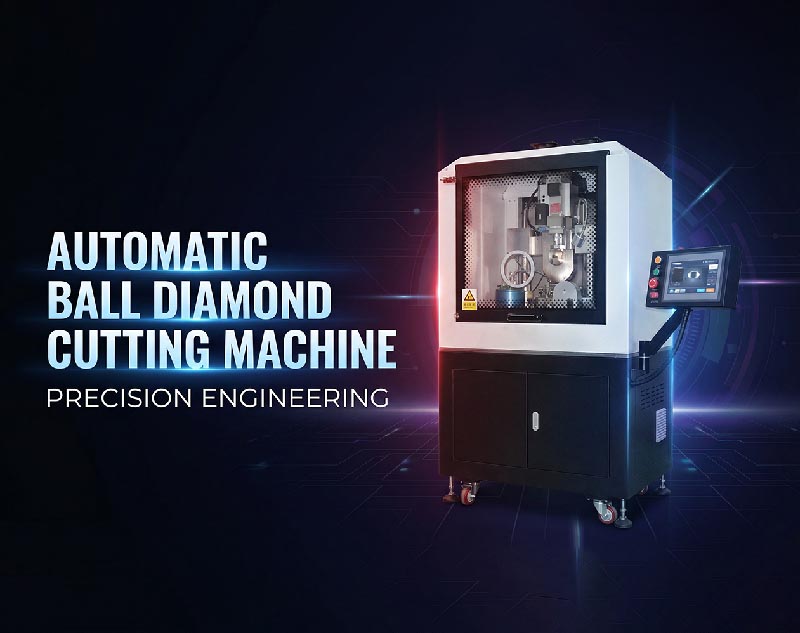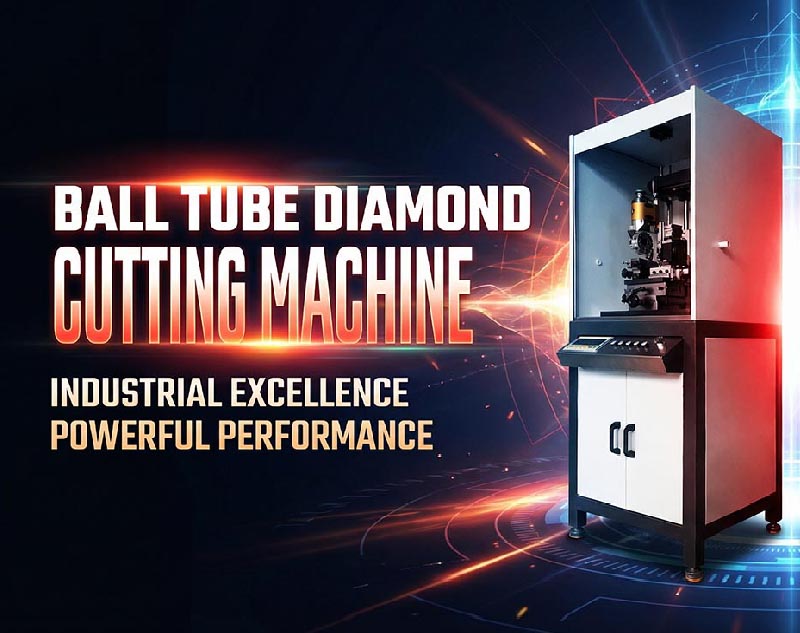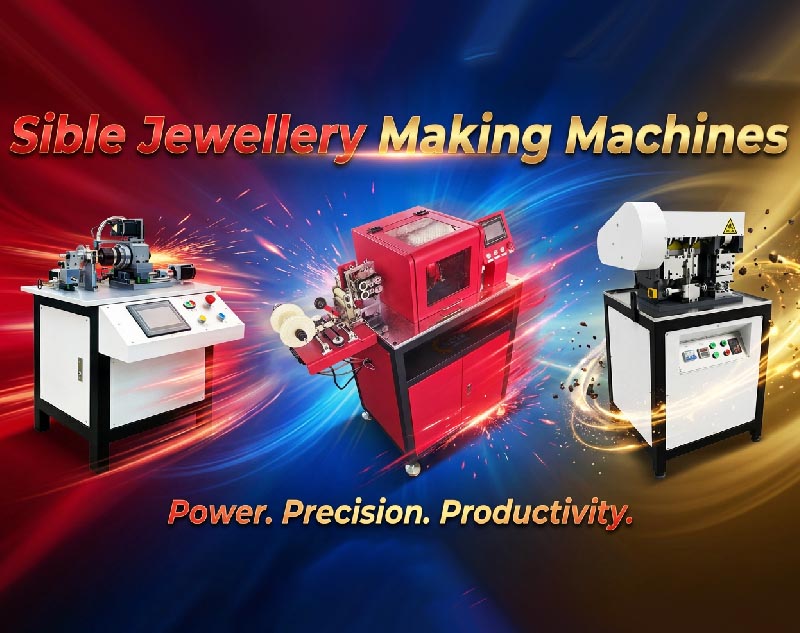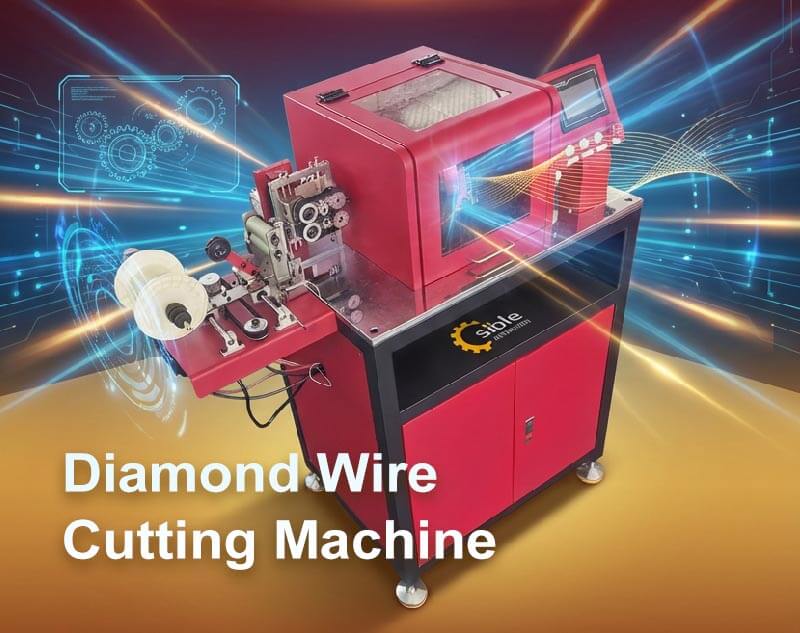
The jewelry industry is undergoing a significant transformation driven by automation technologies. As global demand for high-quality jewelry continues to grow, manufacturers are increasingly adopting automated production solutions to improve efficiency, reduce labor costs, and maintain consistent product quality. In this article, we explore the latest trends in jewelry production automation and how they are reshaping the future of the industry.
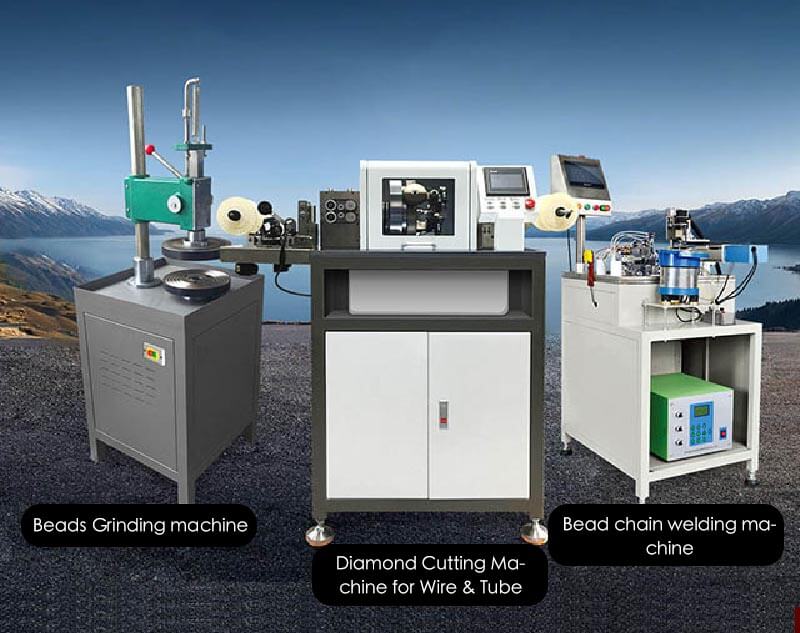
The integration of Computer Numerical Control (CNC) and robotic systems is one of the most impactful trends in jewelry automation. CNC machines provide unmatched precision for cutting, engraving, and shaping precious metals and gemstones. Robotic arms and automated feeders further streamline repetitive tasks, such as polishing and assembly.
Benefits:
Consistent and accurate processing
Reduced human error
Faster production cycles
These systems are widely used for diamond cutting, bead shaping, chain making, and more, enabling production at scale without sacrificing quality.
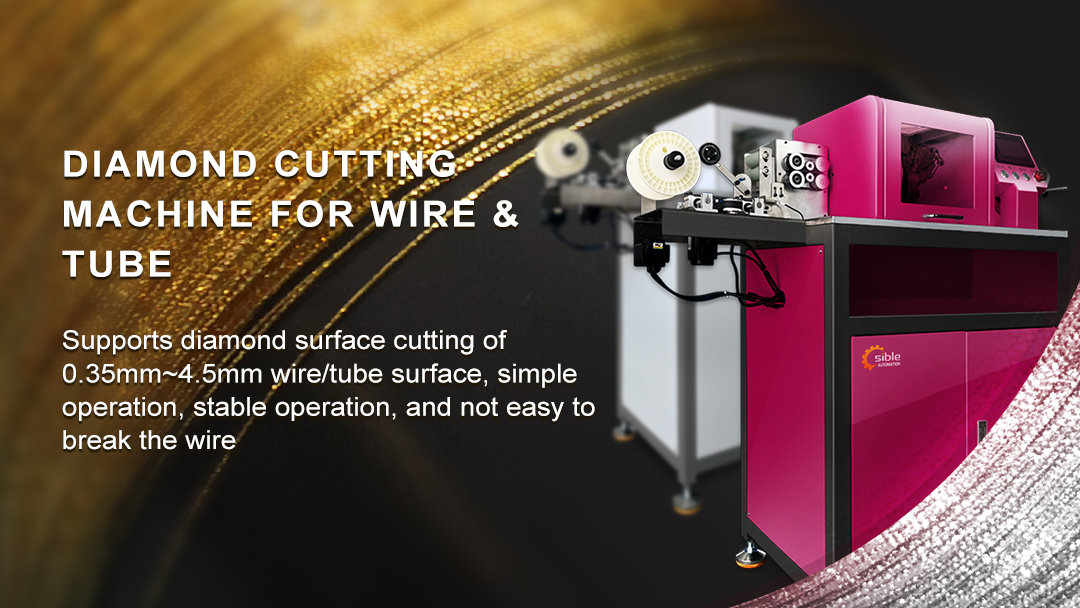
Automated diamond cutting machines are quickly becoming indispensable tools for jewelry manufacturers. These systems use advanced numerical control and precision tooling to cut diamond patterns and surface finishes on beads, tubes, and other components.
Key advantages include:
High precision with minimal material waste
Decorative surface effects (e.g., laser, twill, disco patterns)
Increased production speed
Thanks to automation, tasks that once required skilled manual labor are now performed with higher consistency and speed.
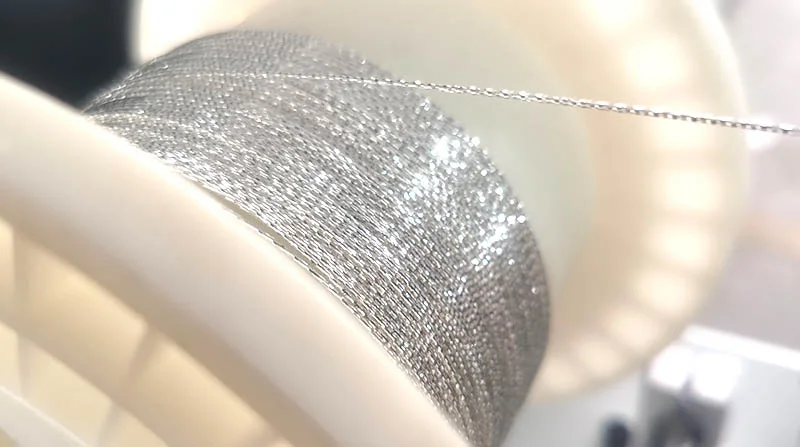
Another significant trend is the adoption of machine vision and inspection systems. Automated quality control tools use cameras and software to evaluate jewelry components for defects, ensuring each piece meets exacting standards.
Machine vision benefits:
Real-time defect detection
Elimination of manual inspection errors
Integration with production lines for continuous monitoring
This trend not only improves product quality but also reduces returns and customer complaints.
The concept of Industry 4.0 is reshaping jewelry factories worldwide. Production lines equipped with smart sensors and connectivity solutions collect real-time data, enabling predictive maintenance and performance optimization.
Key focus areas:
Predictive maintenance to minimize machine downtime
Data analytics for efficient workflow management
Integration of ERP (Enterprise Resource Planning) systems
Data-driven processes allow manufacturers to make informed decisions and adapt to market demand quickly and efficiently.
Sustainability is no longer an afterthought—today’s manufacturers seek automation solutions that reduce waste and optimize resource use. Automated cutting and shaping systems generate less scrap metal compared to traditional manual processes, and smart tools help reduce energy consumption.
Automation contributes to:
Reduced material waste
Lower operational costs
Environmentally friendly production
These improvements support both economic and ecological goals, aligning with modern consumer expectations.
As jewelry production automation continues to evolve, manufacturers who embrace advanced technologies will enjoy increased efficiency, consistent quality, and improved competitiveness in the global market. From precision CNC cutting machines to smart quality control systems and data-driven production lines, automation is no longer just a trend—it’s the future of jewelry manufacturing.